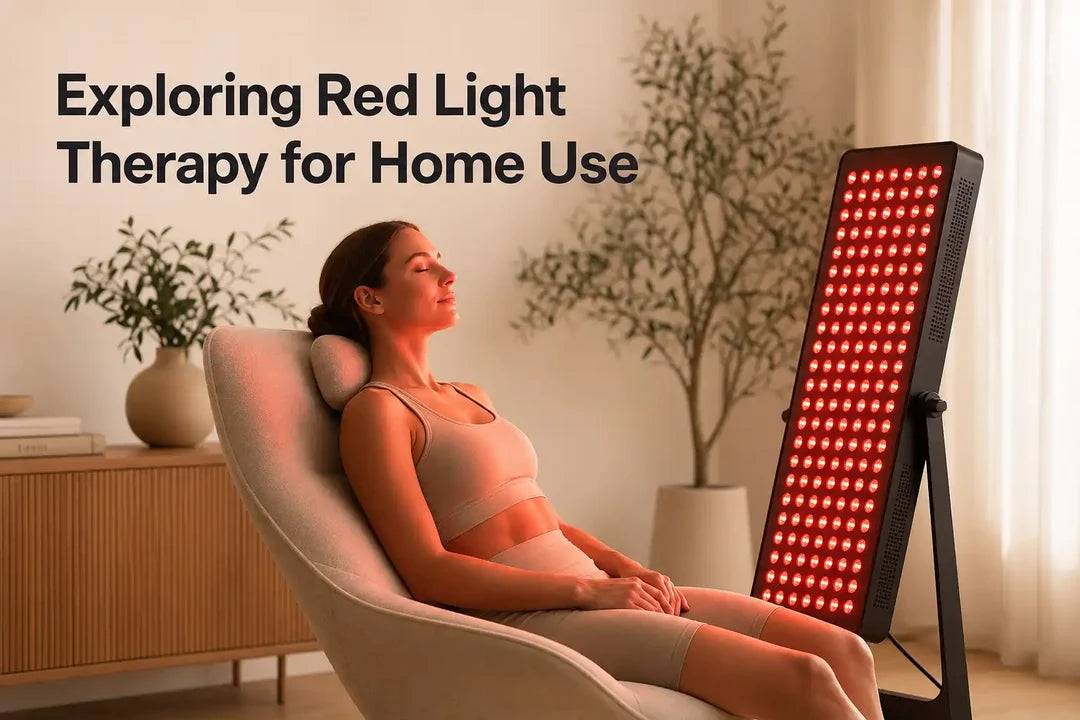
Exploring Red Light Therapy for Home Use
Overview
Red light therapy offers a promising way to enhance your health and well-being by harnessing specific wavelengths of light to improve cellular function. This therapy can boost skin health, aid muscle recovery, and reduce inflammation, making it a valuable addition to your wellness routine. By understanding how to effectively integrate and use this therapy at home, you can maximize its benefits and support your overall health.
Key Takeaways
- Red light therapy utilizes wavelengths between 600 to 900 nanometers to enhance cellular health and recovery.
- It boosts mitochondrial function, increasing ATP production, which promotes healing and reduces inflammation.
- Red light is effective for skin health, improving collagen production and reducing wrinkles, while near-infrared light aids in muscle recovery.
- Research supports its benefits, including accelerated wound healing and decreased muscle soreness.
- For optimal results, sessions should last 10 to 20 minutes, 3 to 5 times a week, with proper device positioning and distance.
- Safety features like low EMF and flicker-free operation are crucial when selecting red light therapy equipment.
- Consult with a healthcare provider before starting therapy, especially if you have existing health conditions or are pregnant.
Red light therapy is gaining traction among wellness enthusiasts and homeowners looking to enhance their health and well-being. This innovative approach harnesses specific wavelengths of light to promote cellular health and recovery. In this article, we will delve into what red light therapy is, how it works, and the numerous health benefits associated with its use.
What is Red Light Therapy?
Red light therapy involves the use of low-level wavelengths of red and near-infrared light to stimulate cellular processes. This therapy operates primarily within the visible light spectrum, focusing on wavelengths typically between 600 to 900 nanometers. The therapy works at a cellular level by enhancing mitochondrial function, which is crucial for energy production in our cells.
How It Works at a Cellular Level
The mitochondria, often referred to as the powerhouse of the cell, play a significant role in energy metabolism. When red and near-infrared light penetrates the skin, it is absorbed by these mitochondria, leading to increased ATP (adenosine triphosphate) production. This boost in energy can promote healing, reduce inflammation, and enhance overall cellular function.
Distinction Between Red and Near-Infrared Light
Understanding the difference between red and near-infrared light is essential for effective therapy application:
- Red Light: Typically ranges from 600 to 700 nanometers and is visible to the human eye. It is particularly effective for skin health, promoting collagen production and improving skin texture.
- Near-Infrared Light: Ranges from 700 to 900 nanometers and is invisible. It penetrates deeper into tissues, making it beneficial for muscle recovery and pain relief.
Health Benefits of Red Light Therapy
The health benefits of red light therapy are diverse and well-documented. Research indicates that this therapy can support various aspects of health and wellness, making it a valuable addition to home wellness applications.
Potential Benefits for Skin Health
One of the most popular uses of red light therapy is for enhancing skin health. Studies have shown that it can:
- Reduce wrinkles and fine lines
- Improve skin tone and texture
- Accelerate wound healing
Muscle Recovery and Inflammation Reduction
In addition to skin benefits, red light therapy is known for aiding muscle recovery and reducing inflammation. Athletes often incorporate this therapy to:
- Decrease muscle soreness
- Speed up recovery times
- Reduce inflammation associated with injuries
Scientific Backing
Numerous studies have provided scientific support for the health benefits of red light therapy. For instance, a meta-analysis published in the journal Photomedicine and Laser Surgery found that red light therapy significantly improved skin rejuvenation and reduced inflammation in various clinical settings.
Anecdotal Evidence
Beyond scientific studies, many users report positive outcomes from their experiences with red light therapy. Testimonials highlight improvements in skin appearance, pain management, and overall wellness, further validating the potential benefits of this therapy.
Health Benefits Checklist
To help track your progress with red light therapy, consider the following checklist of health benefits:
- Improved skin texture
- Reduction in fine lines and wrinkles
- Faster healing of cuts and wounds
- Decreased muscle soreness
- Less joint pain and inflammation
Integrating red light therapy into your daily routine can lead to significant health improvements. As you explore this therapy, remember to monitor your experiences and consult with healthcare professionals when necessary to maximize your results.
Home Wellness Applications of Red Light Therapy
Integrating red light therapy into your home wellness routine can be a transformative experience. With its myriad benefits, it's essential to find the right spaces and methods to maximize its effectiveness. Here’s how you can seamlessly incorporate this therapy into your daily life.
Identifying Suitable Spaces for Therapy Sessions
Red light therapy can be utilized in various areas of your home. Here are some suggestions:
- Living Room: A comfortable chair or sofa is perfect for a relaxing therapy session while watching TV or reading.
- Home Gym: Incorporate red light therapy into your post-workout routine to aid muscle recovery and reduce inflammation.
- Dedicated Wellness Corner: Design a small wellness area with calming decor, where you can focus on your therapy without distractions.
Creating a Dedicated Wellness Space
Having a dedicated wellness space enhances your commitment to regular therapy sessions. Here are tips for designing your space:
- Lighting: Use soft lighting to create a calming atmosphere. Consider blackout curtains to control natural light.
- Comfort: Add comfortable seating or a mat for floor sessions. Consider cushions or blankets for added comfort.
- Equipment Storage: Keep your red light therapy equipment easily accessible yet organized to encourage regular use.
Incorporating Therapy into Daily Routines
Consistency is key when it comes to reaping the benefits of red light therapy. Here are practical tips to integrate it into your daily life:
- Set a Schedule: Choose specific times for therapy sessions, such as in the morning to energize your day or at night to unwind.
- Combine with Other Activities: Pair your sessions with meditation, yoga, or stretching to enhance relaxation and results.
- Track Your Progress: Keep a journal to note any changes in your mood, energy levels, or skin health, helping you stay motivated.
Sample Weekly Schedule for Red Light Therapy Sessions
Here’s a simple weekly schedule to help you get started:
| Day | Time | Duration | Activity |
|---|---|---|---|
| Monday | 7:00 AM | 10 minutes | Post-workout recovery |
| Wednesday | 8:00 PM | 15 minutes | Relaxation before bed |
| Friday | 6:00 PM | 10 minutes | Pre-dinner unwind |
| Sunday | 10:00 AM | 20 minutes | Self-care and reflection |
Choosing the Right Red Light Therapy Equipment
When selecting red light therapy equipment for home use, it’s crucial to consider several factors to ensure you get the best results. Here’s a guide to help you make an informed decision.
Factors to Consider
Understanding these factors can help you choose the right equipment:
- Size: Consider the space where you’ll use the device. Compact panels are ideal for smaller areas, while larger panels may be better for dedicated wellness rooms.
- Wavelength: Look for devices that offer a range of wavelengths, including red (630nm, 660nm) and near-infrared (810nm, 830nm, 850nm). This variety can provide a broader spectrum of benefits.
- Power Output: The irradiance level is vital for effectiveness. Aim for devices that provide at least 100 mW/cm² for optimal results.
Comparison of Different Types of Devices
Red light therapy devices come in various forms, each with its unique benefits:
| Device Type | Best For | Portability |
|---|---|---|
| Panels | Full-body or targeted treatments | Less portable, best for home use |
| Handheld Devices | Targeted areas like the face or joints | Highly portable, easy to use |
| Wearable Devices | Specific treatment on-the-go | Most portable, less power |
Importance of Safety Features
When investing in red light therapy equipment, safety should be a priority. Look for features such as:
- Low EMF: Devices with low electromagnetic fields reduce exposure to potentially harmful emissions.
- Flicker-Free Operation: This feature helps prevent eye strain and creates a more comfortable experience during sessions.
- Built-in Timers: A timer ensures you don’t exceed recommended session lengths, promoting safe usage.
By carefully selecting the right equipment and establishing a routine, you can fully embrace the health benefits of therapy in your home wellness journey.
How to Use Red Light Therapy Safely and Effectively
Using red light therapy at home can be a rewarding addition to your wellness routine, but it’s essential to do so safely and effectively. Here are key guidelines to ensure you maximize the benefits of red light therapy equipment while minimizing any risks.
Recommended Session Lengths and Frequency
To achieve optimal results, it’s important to adhere to recommended session lengths and frequencies:
- Session Length: Most experts recommend sessions lasting between 10 to 20 minutes, depending on the specific device and its power output.
- Frequency: Aim for 3 to 5 sessions per week. Consistency is key to experiencing the health benefits of therapy.
- Rest Days: Incorporating rest days can help your body recover and enhance the overall effectiveness of the treatment.
Best Practices for Positioning the Device
How you position your red light therapy equipment can significantly impact its effectiveness:
- Distance: Position the device approximately 6 to 12 inches away from the treatment area. This distance allows for optimal light absorption without overheating the skin.
- Angle: Ensure that the light is directed at the area you wish to treat. Adjust the angle of the panel or device to ensure even coverage.
- Environment: Use the device in a dimly lit room to enhance the effectiveness of the therapy. This can help your body absorb the light more efficiently.
Common Mistakes to Avoid
Being aware of common pitfalls can help you avoid ineffective or unsafe practices:
- Overuse: More isn’t always better. Overusing the therapy can lead to skin irritation or fatigue. Stick to recommended frequencies.
- Ignoring Safety Features: Always choose devices with safety features such as low EMF and flicker-free operation to minimize any potential risks.
- Neglecting Skin Care: Before starting therapy, ensure the skin is clean and free from lotions or oils that could hinder light absorption.
Safety Checklist for First-Time Users
Before starting your red light therapy sessions, consider the following safety checklist:
- Consult with a healthcare provider, especially if you have existing health conditions.
- Read the user manual of your device to understand its specific use and safety guidelines.
- Test the device on a small skin area before a full treatment to check for any adverse reactions.
- Have a plan for your sessions, including duration, frequency, and targeted areas.
- Keep the device clean to ensure optimal performance and hygiene.
Potential Pitfalls and Considerations
While red light therapy offers numerous benefits, it’s important to be aware of potential pitfalls and considerations before integrating it into your wellness routine.
Discussion on Overuse and Its Effects
Overuse of red light therapy can lead to adverse effects:
- Skin Irritation: Prolonged exposure may cause irritation, redness, or discomfort. Always adhere to recommended session lengths.
- Fatigue: Some users report feeling fatigued after excessive use. Balance your sessions to avoid overwhelming your body.
- Reduced Effectiveness: Over time, excessive use may diminish the therapy's effectiveness, as your body may become accustomed to the treatment.
Clarification on Who Should Avoid Red Light Therapy
While red light therapy is generally safe, certain individuals should exercise caution:
- Pregnant Individuals: Avoid red light therapy unless cleared by a healthcare provider.
- Those with Photosensitivity: If you have conditions that make your skin sensitive to light, consult a healthcare professional before use.
- Recent Surgery Patients: Avoid therapy on recently operated areas until cleared by a doctor.
Importance of Consulting with Healthcare Providers
Before starting red light therapy, it’s essential to consult with a healthcare provider, especially if you have underlying health conditions. Here are some questions to consider asking:
- Do you think red light therapy is appropriate for my health needs?
- Are there any specific contraindications I should be aware of?
- How can I integrate red light therapy into my existing wellness routine safely?
- What signs should I watch for that may indicate I should stop therapy?
By following these guidelines and being aware of potential pitfalls, you can safely and effectively incorporate red light therapy into your home wellness applications, unlocking its myriad health benefits along the way.
Glossary
| Term | Meaning |
|---|---|
| Red Light Therapy | A treatment using specific wavelengths of light to promote cellular health. |
| Mitochondria | Cellular structures that produce energy, essential for cell function. |
| ATP | Adenosine triphosphate, the energy currency of cells. |
| Wavelength | The distance between light waves, measured in nanometers. |
| Near-Infrared Light | Light that penetrates deeper tissues, aiding muscle recovery. |
| Skin Rejuvenation | Improvement in skin appearance, including texture and tone. |
| Inflammation | A biological response that can cause swelling and pain. |
| EMF | Electromagnetic fields; low EMF devices reduce exposure to harmful emissions. |
| Flicker-Free Operation | A feature that prevents eye strain during therapy sessions. |
| Session Length | The duration of each red light therapy treatment, typically 10-20 minutes. |
Linked Product

Red Nova Lights Compact 900 Red Light Therapy Panel with 5 Wavelengths
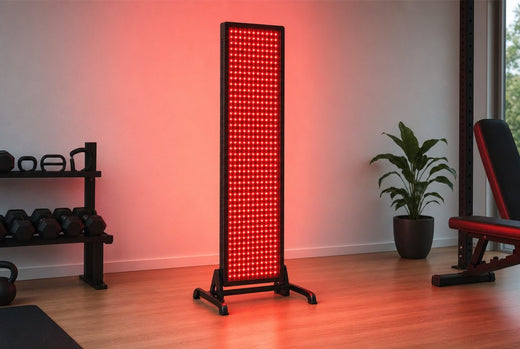
The Red Nova Lights Compact 900 Red Light Therapy Panel features five wavelengths of red and near-infrared light, allowing for a versatile and effective therapy session in smaller spaces. With its slim design and high output of up to 187 mW/cm² at 6 inches, this panel is suitable for home wellness corners, gyms, or studios. The built-in timer and remote control offer convenience, enabling users to customize their sessions easily.
View Product