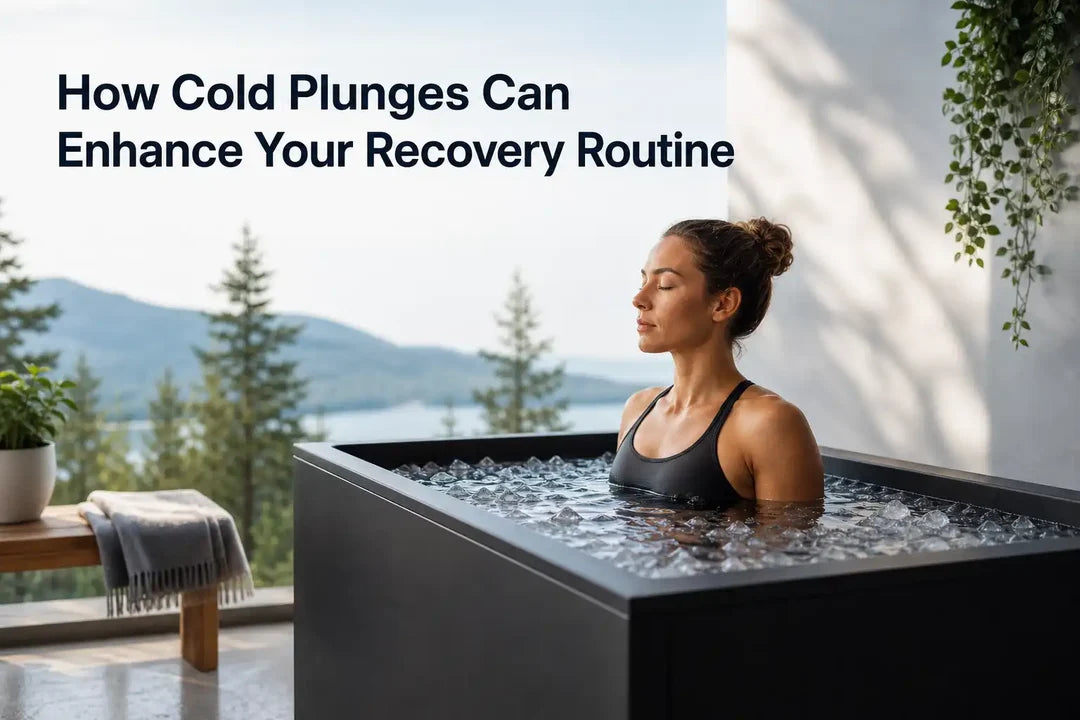
How Cold Plunges Can Enhance Your Recovery Routine
Overview
Cold therapy, particularly through cold plunges, can significantly enhance your recovery and overall wellness. By incorporating cold exposure into your routine, you can reduce muscle soreness, improve circulation, and boost mental clarity. Understanding the science behind these benefits empowers you to effectively integrate cold plunges into your recovery strategy for optimal results.
Key Takeaways
- Cold therapy, or cryotherapy, has been used for centuries to promote healing and recovery.
- Cold plunges can significantly reduce muscle soreness and inflammation post-exercise.
- Regular cold exposure enhances blood circulation, facilitating faster delivery of oxygen and nutrients to muscles.
- Cold plunges can improve mental clarity and mood by releasing endorphins and norepinephrine.
- Incorporate cold plunges 2-3 times a week for optimal recovery benefits.
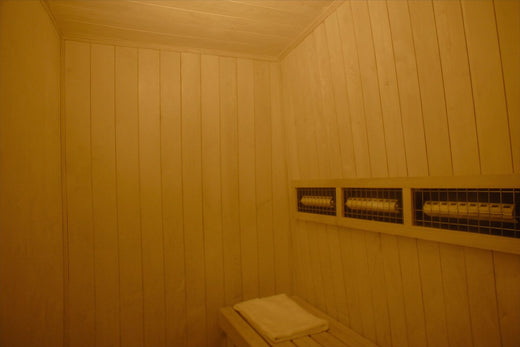
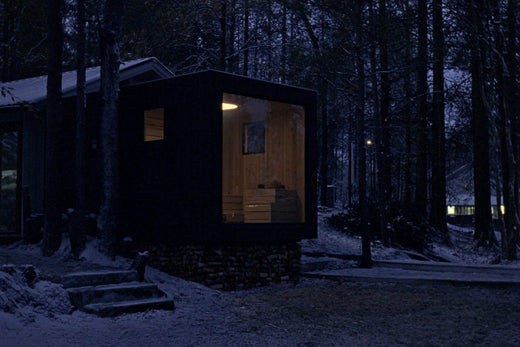
- Consider alternating between sauna sessions and cold plunges for enhanced recovery results.
- Choose cold plunge equipment with temperature control, filtration systems, and durability for the best experience.
Introduction to Cold Therapy
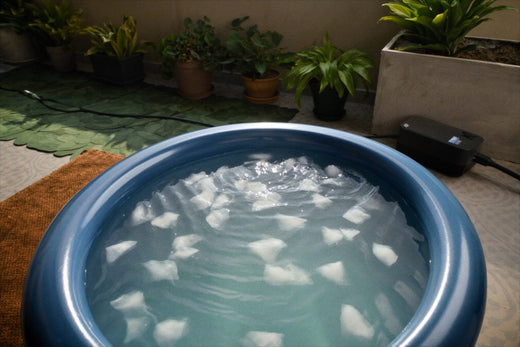
Cold therapy, also known as cryotherapy, has been utilized for centuries to promote healing and recovery. From ancient Greeks using cold water baths to modern athletes embracing ice baths, the practice has evolved but remains rooted in its effectiveness. Cold plunges are a significant component of wellness routines, offering a targeted way to harness the benefits of cold exposure for recovery.
Incorporating cold plunges into your daily routine can be straightforward. Consider starting your day or post-workout with a cold plunge session. This can be as simple as filling your cold plunge tub, setting the desired temperature, and immersing yourself for a few minutes. Aim for a duration of 3 to 10 minutes, depending on your comfort level. Over time, you can increase your exposure as your body adapts.
The Science Behind Cold Plunges
Understanding the physiological effects of cold exposure can enhance your appreciation for its role in recovery. When you immerse yourself in cold water, your body undergoes several significant changes:
Effects on Blood Circulation
Cold exposure constricts blood vessels, reducing blood flow to the skin and extremities. This process, known as vasoconstriction, helps to minimize swelling and inflammation. Once you exit the cold plunge, your body warms up, causing blood vessels to dilate (vasodilation). This increase in blood flow can facilitate faster delivery of oxygen and nutrients to your muscles, aiding recovery.
Impact on Muscle Recovery
One of the most notable recovery benefits of cold therapy is its ability to reduce muscle soreness. After intense exercise, lactic acid builds up in your muscles, leading to delayed onset muscle soreness (DOMS). Cold plunges can help mitigate this by:
- Reducing inflammation: Cold exposure decreases the metabolic activity of cells, which can help lower inflammation in damaged tissues.
- Decreasing pain sensation: Cold water numbs nerve endings, providing immediate relief from soreness.
Checklist of Physiological Responses to Expect After a Cold Plunge
After a cold plunge session, you may experience the following physiological responses:
- Enhanced mood: Cold exposure triggers the release of endorphins, which can elevate your mood and promote mental clarity.
- Increased alertness: The shock of cold water stimulates your nervous system, leading to increased alertness and focus.
- Improved recovery time: Regular use of cold plunges can lead to faster recovery times between workouts.
- Reduced muscle soreness: Many users report a significant decrease in post-exercise soreness after incorporating cold plunges.
By understanding the science behind cold plunges, you can better appreciate their role in your recovery routine. As a wellness enthusiast, integrating cold therapy into your regimen can enhance not only your physical recovery but also your overall mental well-being.
Recovery Benefits of Cold Therapy
Cold therapy, particularly through the use of cold plunges, offers numerous recovery benefits that can significantly enhance your overall wellness routine. Understanding these benefits can empower you to incorporate cold exposure into your recovery strategy effectively.
Reduction in Muscle Soreness Post-Exercise
One of the most compelling reasons to integrate cold plunges into your recovery routine is their proven ability to reduce muscle soreness after intense workouts. When you expose your body to cold temperatures, blood vessels constrict, which helps to reduce inflammation and swelling. This process can lead to faster recovery times and allows you to return to your training regimen sooner.
- Physiological Response: Cold exposure triggers a release of endorphins, which can dull pain sensations.
- Improved Circulation: After the cold exposure, blood vessels dilate, enhancing blood flow and delivering nutrients necessary for muscle repair.
Improved Mental Clarity and Mood Enhancement
In addition to physical benefits, cold plunges can positively impact your mental health. The shock of cold water can stimulate the release of norepinephrine, a hormone that can improve focus and mood. Many athletes and wellness enthusiasts report feeling invigorated and mentally clearer after a cold plunge session.
- Stress Reduction: Cold therapy can help lower cortisol levels, reducing stress and anxiety.
- Enhanced Mood: The physiological effects of cold exposure can lead to a euphoric feeling, thanks to the release of endorphins.
Cold Plunges vs. Other Recovery Methods
While there are various methods available for recovery, such as foam rolling, stretching, and heat therapy, cold plunges stand out for their unique benefits. Below is a comparison of cold plunges with other recovery methods:
| Recovery Method | Benefits | Limitations |
|---|---|---|
| Cold Plunge | Reduces muscle soreness, enhances mental clarity | Can be uncomfortable initially |
| Foam Rolling | Relieves muscle tightness, improves flexibility | Requires technique, may not reduce inflammation |
| Heat Therapy | Relaxes muscles, increases blood flow | Can exacerbate inflammation |
| Stretching | Improves flexibility, reduces tightness | May not address soreness or inflammation |
Incorporating Cold Plunges into Your Routine
Integrating cold plunges into your wellness routines can initially seem daunting, but with a structured approach, it can become a seamless part of your recovery strategy. Below are actionable steps to help you get started.
Best Practices for Timing and Frequency
To maximize the benefits of cold plunges, consider the following guidelines:
- Post-Workout: Aim to use a cold plunge within 30 minutes after your workout for optimal muscle recovery.
- Frequency: Incorporate cold plunges 2-3 times a week, adjusting based on your activity level and recovery needs.
- Duration: Start with 3-5 minutes in the cold plunge, gradually increasing to 10-15 minutes as your body adapts.
Safety Precautions to Consider
While cold therapy can be beneficial, it's essential to approach it safely:
- Consult a Healthcare Professional: If you have underlying health conditions, consult with a healthcare provider before beginning cold therapy.
- Listen to Your Body: If you experience excessive discomfort or pain, exit the cold plunge immediately.
- Stay Hydrated: Ensure that you are well-hydrated before and after your cold plunge to support recovery.
Step-by-Step Guide on Setting Up a Cold Plunge Session
Follow these simple steps to set up your cold plunge session:
- Preparation: Fill the cold plunge with water and set the temperature to your desired level, typically around 50°F (10°C).
- Warm-Up: Engage in a light warm-up before your plunge to prepare your muscles.
- Cold Plunge: Slowly enter the cold plunge, allowing your body to acclimate to the temperature.
- Duration: Stay in the plunge for your planned duration, focusing on your breathing and relaxation.
- Post-Plunge Care: After exiting, warm up gradually and hydrate to aid recovery.
By consistently incorporating cold plunges into your wellness routines, you'll harness the full potential of cold therapy, enhancing both your physical recovery and mental well-being. Embrace this invigorating practice and unlock a new level of recovery today!
Saunas and Cold Plunges: A Complementary Approach
Integrating saunas and cold plunges into your wellness routine can significantly amplify the recovery benefits of cold therapy. The alternating use of heat and cold has been practiced for centuries, and modern science supports its effectiveness in enhancing overall recovery.
Benefits of Alternating Between Heat and Cold
When you switch between a sauna and a cold plunge, you harness the unique benefits of both modalities:
- Improved Circulation: Heat from the sauna promotes blood flow, while cold plunges constrict blood vessels. This cycle enhances circulation, delivering oxygen and nutrients to muscles more efficiently.
- Reduced Muscle Soreness: The combination can alleviate muscle soreness and stiffness. Heat relaxes muscles, while cold reduces inflammation and pain.
- Enhanced Recovery: Alternating between heat and cold can accelerate recovery times after intense workouts, making it a valuable addition to your post-exercise routine.
- Mental Clarity: The invigorating effects of cold exposure can boost mental clarity and mood, especially when paired with the relaxing effects of a sauna.
How This Combination Can Enhance Overall Recovery
Using saunas and cold plunges in tandem creates a synergistic effect that can optimize your recovery routine. Here’s how to implement this strategy effectively:
- Timing: Consider spending 15-20 minutes in the sauna to raise your body temperature, followed by a cold plunge for 3-5 minutes. This sequence can be repeated as desired.
- Frequency: Aim for 2-3 sessions per week to experience the full benefits. Adjust based on your individual recovery needs and tolerance levels.
- Listen to Your Body: Pay attention to how your body responds. If you feel fatigued or overly stressed, adjust the duration and frequency of your sessions accordingly.
Choosing the Right Home Recovery Equipment
When considering the addition of a cold plunge to your home wellness routine, it's essential to choose the right equipment. Here are key factors to consider:
Factors to Consider When Purchasing Cold Plunge Equipment
- Temperature Range: Ensure the cold plunge can chill to your desired temperature. For example, models like the Chill Therapy CHILL1000 can chill as low as 41°F, providing effective cold therapy.
- Heating Capability: Some cold plunges also offer heating options, allowing you to switch between hot and cold therapy seamlessly.
- Water Quality Features: Look for built-in filtration systems, like ozone and antimicrobial filters, to ensure clean and safe water for each plunge.
- Ease of Use: Consider how easy it is to set up and maintain the equipment. Plug-in models with user-friendly controls simplify the experience.
- Durability: Ensure the construction material is long-lasting and capable of withstanding frequent use.
Importance of Maintenance and Water Quality
Maintaining water quality is crucial for a safe and enjoyable cold plunge experience. Here are some maintenance tips:
- Regular Cleaning: Establish a routine for cleaning the plunge to prevent algae and bacteria buildup.
- Filter Replacement: Replace filters as recommended by the manufacturer to maintain optimal water quality.
- Water Testing: Regularly test the pH and sanitizer levels of the water to ensure it remains safe for use.
Checklist of Features to Look For in Home Recovery Equipment
| Feature | Description |
|---|---|
| Temperature Control | Ability to chill and heat water efficiently. |
| Filtration System | Built-in ozone and antimicrobial filtration for clean water. |
| Durability | Robust construction materials for longevity. |
| Ease of Use | Simple setup and user-friendly controls. |
| Size | Appropriate dimensions for your space and usage needs. |
Conclusion and Next Steps
Incorporating cold plunges into your wellness routine offers numerous recovery benefits, from reduced muscle soreness to enhanced mental clarity. By alternating between saunas and cold plunges, you can optimize your recovery process even further. As you explore the options for home recovery equipment, prioritize features that suit your needs and ensure easy maintenance. Don't hesitate to experiment with cold therapy—your body will thank you!
Glossary
| Term | Meaning |
|---|---|
| Cold Therapy | A treatment method using cold exposure to promote healing. |
| Cryotherapy | Another term for cold therapy, often used in medical contexts. |
| Cold Plunge | Immersion in cold water to aid recovery and reduce soreness. |
| Vasoconstriction | The narrowing of blood vessels due to cold exposure. |
| Vasodilation | The widening of blood vessels after exiting cold exposure. |
| DOMS | Delayed Onset Muscle Soreness, pain after intense exercise. |
| Endorphins | Naturally occurring hormones that relieve pain and enhance mood. |
| Norepinephrine | A hormone that can improve focus and mood during cold exposure. |
| Hydration | Maintaining adequate fluid levels before and after cold plunges. |
| Recovery Time | The duration needed for muscles to heal and regain strength. |
Linked Product

Chill Therapy CHILL1000 Cold Plunge Tub – Chills to 41°F, Heats to 104°F, Plug-In
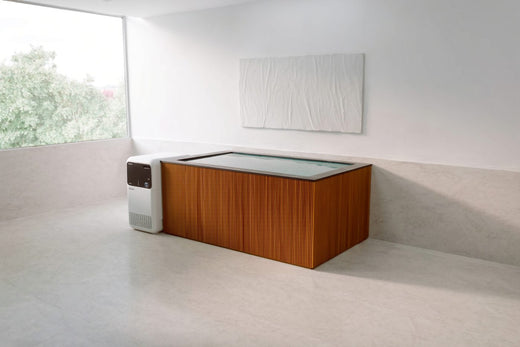
The Chill Therapy CHILL1000 Cold Plunge Tub offers versatile temperature control, cooling down to 41°F for an invigorating cold plunge or heating up to 104°F for a relaxing soak. With built-in ozone and Glacier antimicrobial filtration, it ensures cleaner water with minimal maintenance. Its locking hardtop cover and LED lighting enhance convenience and safety, making it suitable for both day and night use.
View Product