Infrared vs. Traditional Saunas: Which Is Right for Your Home?
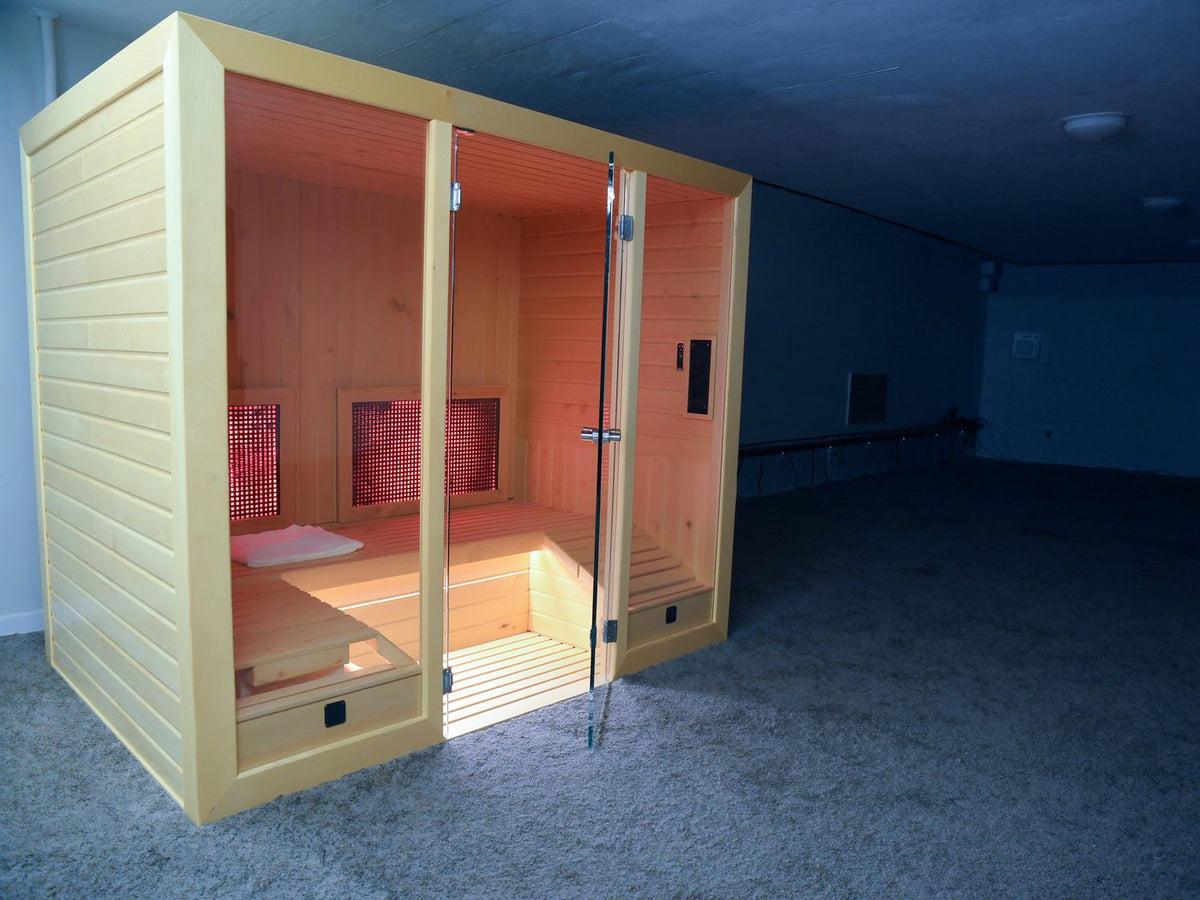
The first real decision in buying a home sauna is the type of heat. Infrared and traditional (Finnish) saunas both get you warm and sweating, but they do it differently, and that difference changes the experience, the installation, and the space you need.
How each one heats you
Traditional saunas use a heater, usually electric, topped with stones. The heater warms the air in the room, and the hot air warms you. Most people run them somewhere in the 150 to 195°F range, and you can ladle water onto the stones for a burst of steam, called löyly.
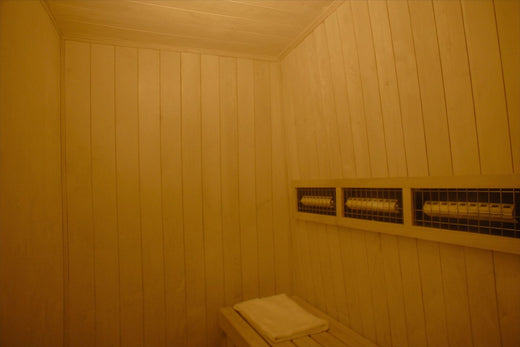
Infrared saunas use panels that emit infrared energy, which warms your body more directly than it warms the air around you. They typically run at lower air temperatures, often in the 120 to 150°F range. The heat feels gentler and builds more gradually, and there is no steam.
The experience
If you love the intense, enveloping heat and the ritual of throwing water on the stones, a traditional sauna is the classic choice. If you want a lower-temperature session you can comfortably sit in longer, or the high heat of a Finnish sauna is too much for you, infrared is often the better fit. Neither is universally better. It comes down to how you like to feel.
Electrical requirements
This is where many buyers get surprised, so check it before you fall in love with a model.
- Infrared: many one and two person infrared cabins plug into a standard household outlet, though larger units may need a dedicated circuit.
- Traditional: most electric heaters need a dedicated 240V circuit installed by a licensed electrician.
Every product listing includes the manufacturer's electrical specifications. If you aren't sure what your home can support, include your panel details in a quote request and we'll check compatibility for you.
Warm-up time
Traditional saunas generally take longer to reach temperature because they heat the whole room and the stones. Infrared saunas usually feel ready sooner. Actual times vary by model, room size, and ambient temperature, so check the manufacturer's specifications.
Space and placement
- Indoor: both types come in indoor cabins. Infrared cabins tend to be compact and are popular in spare rooms, basements, and home gyms.
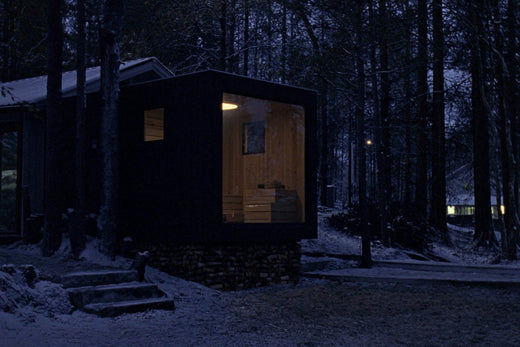
- Outdoor: barrel saunas and cabin saunas built for outdoor use are most often traditional. Plan for a level foundation, clearances, and an outdoor-rated electrical run.
- Portable: if you rent or are short on space, a portable sauna is the lowest-commitment way to start.
Maintenance
Both are low maintenance. Wipe down benches after use, keep the door open afterward so the wood dries, and follow the manufacturer's guidance on cleaning and wood care. Traditional saunas also need their stones checked and replaced periodically.
Quick comparison
- Choose traditional if you want high heat, steam, the classic ritual, or an outdoor barrel or cabin, and can run a dedicated 240V circuit.
- Choose infrared if you want gentler heat, a simpler indoor install, and a unit that fits a spare room.
Still deciding?
Browse infrared saunas, traditional saunas, or outdoor saunas. Or tell us your room size, electrical, and budget, and a home wellness specialist will recommend the right sauna. Request a free quote.
If you are pregnant or have a heart condition, low blood pressure, or another medical condition, talk with your doctor before using a sauna.