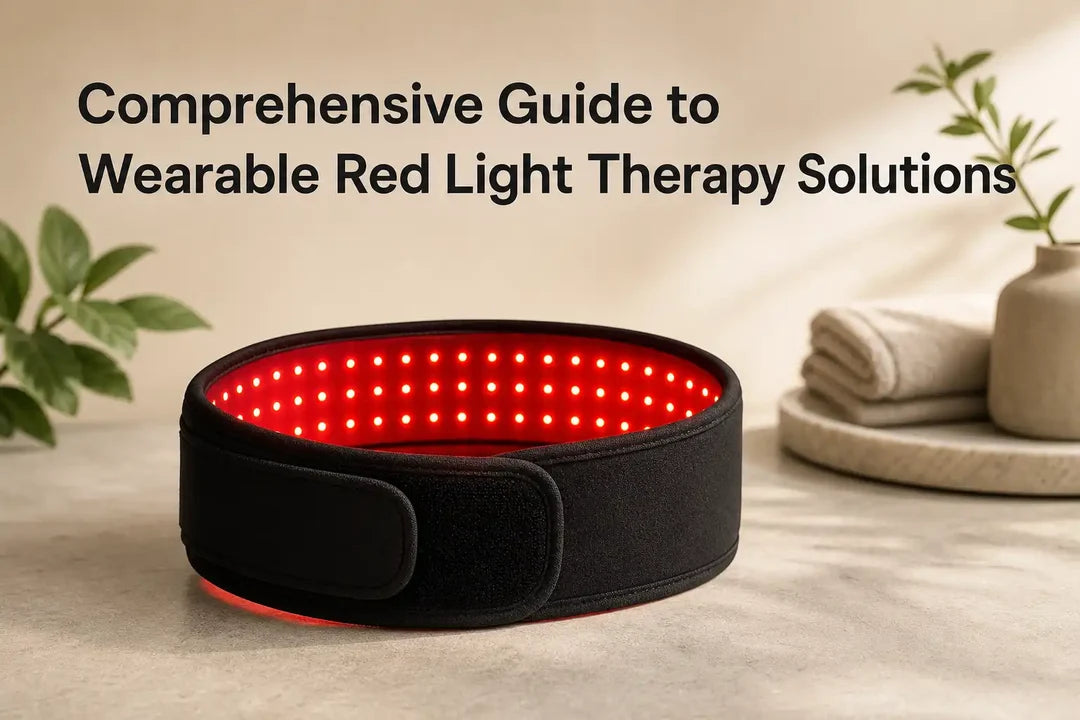
Comprehensive Guide to Wearable Red Light Therapy Solutions
Overview
Wearable red light therapy devices are revolutionizing home wellness by offering a convenient way to promote healing and recovery. These innovative tools deliver targeted wavelengths directly to the skin, helping reduce inflammation, enhance skin appearance, and accelerate muscle recovery. As more people prioritize their health, integrating these non-invasive therapies into daily routines becomes an accessible option for improved well-being.
Key Takeaways
- Convenience: Wearable red light therapy devices allow hands-free use, making it easy to incorporate treatment into daily activities.
- Targeted Treatment: These devices can be positioned on specific body areas for focused relief, enhancing therapeutic effectiveness.
- Portability: Many wearable devices are lightweight and wireless, allowing users to take therapy on the go.
- Customizable Sessions: Adjustable session lengths and intensity settings provide personalized treatment options tailored to individual needs.
- Specific Wavelength Benefits: Different wavelengths (630nm, 660nm, 850nm) target various health concerns, from skin improvement to muscle recovery.
- Safety Precautions: Always avoid using the device on broken skin and consult a healthcare provider if you have medical conditions or are pregnant.
- Customer Support: Quality customer service is essential for troubleshooting and ensuring a satisfactory experience with red light therapy devices.
Comparison at a Glance
| Option | Best for | Strengths | Trade-offs |
|---|---|---|---|
| iRestore Sculpt Red Light Belt | Body contouring and recovery | High-density LED coverage, FDA-cleared for body sculpting, triple-wave technology | Less portable, requires longer session times |
| iRestore Flex Red Light Belt | Portability and ease of use | Lightweight, wireless, versatile wavelengths for various treatments | Lower LED count, may require more frequent charging |
| Red Nova Lights Wearable Red Light Therapy Belt | Skin health and pain relief | Utilizes 660nm and 850nm LEDs, effective for targeted pain relief | Limited features compared to other models, less focus on body contouring |
Wearable red light therapy is transforming home wellness by providing a convenient and effective method to harness the benefits of red light therapy. These innovative devices are designed to deliver therapeutic wavelengths directly to the skin, promoting healing and recovery in a non-invasive manner. As health-conscious consumers increasingly seek ways to enhance their well-being, the popularity of wearable red light therapy solutions continues to rise.
Understanding Wearable Red Light Therapy
Wearable red light therapy involves specialized devices that emit specific wavelengths of red and near-infrared light. This therapy is known for its potential benefits, such as reducing inflammation, enhancing skin appearance, and accelerating muscle recovery. As more individuals prioritize their health, these wearable solutions offer a practical approach to integrating therapy into daily routines.
When evaluating red light therapy options, consider the following benefits:
- Convenience: Wearable devices allow for hands-free use, making it easy to incorporate therapy into your daily activities.
- Targeted Treatment: These belts can be positioned on specific areas of the body, providing focused relief where it's needed most.
- Portability: Many devices are lightweight and wireless, enabling you to take your therapy on the go.
- Non-invasive and Drug-free: Wearable red light therapy offers a natural alternative to pain relief and recovery.
- Customizable Sessions: Many models feature adjustable session lengths and intensity settings for personalized treatment.
How Wearable Red Light Therapy Works
Understanding how wearable red light therapy functions is crucial for maximizing its benefits. The therapy works primarily through the application of specific wavelengths, typically in the range of 630nm to 850nm. These wavelengths penetrate the skin and stimulate cellular processes, promoting healing and regeneration.
Here’s a breakdown of how the different wavelengths work:
- 630nm: This red light wavelength is beneficial for improving skin firmness and tone, making it ideal for cosmetic applications.
- 660nm: Known for enhancing circulation and tissue support, this wavelength helps in recovery from physical activity.
- 850nm: This near-infrared light penetrates deeper into the tissue, aiding in muscle recovery and reducing soreness.
When selecting a wearable red light therapy device, consider your specific wellness goals:
- If your focus is on skin improvement, look for devices that utilize 630nm and 660nm wavelengths.
- For muscle recovery and deeper tissue treatment, devices incorporating 850nm near-infrared light are more suitable.
By understanding the science behind these wavelengths, you can make an informed decision on which wearable red light therapy belt best meets your needs. Products such as the iRestore Sculpt Red Light Belt and the iRestore Flex Red Light Belt offer unique features that cater to various applications, further enhancing the experience of home wellness.


Key Features of Popular Wearable Red Light Therapy Belts
Wearable red light therapy has gained traction for its convenience and effectiveness in promoting wellness at home. Among the leading products in this category are the iRestore Sculpt Red Light Belt and the iRestore Flex Red Light Belt. Each offers unique features tailored to different user needs, making them standout options for anyone looking to incorporate red light therapy into their routine.
Overview of iRestore Sculpt and Flex LED Belts
The iRestore Sculpt Red Light Belt is designed for targeted body contouring and recovery, featuring:
- 1,260 medical-grade LEDs: This high-density coverage utilizes 420 tri-core chips.
- Triple-wave technology: It emits three wavelengths (630nm, 850nm, and 940nm) simultaneously for comprehensive treatment.
- FDA-cleared: Approved for the temporary reduction of waist, hip, and thigh circumference, making it effective for body sculpting.
- Session length: Recommended sessions of 10-30 minutes.
In contrast, the iRestore Flex Red Light Belt focuses on portability and ease of use:
- 315 medical-grade LEDs: Built from 105 tri-core chips, this belt provides targeted therapy wherever you go.
- Wireless design: The Flex belt allows for mobility, making it suitable for use at home, at work, or while traveling.
- Session length: Each charge supports 6 sessions of 30 minutes, ensuring extended usability.
- Three wavelengths: It offers 590nm amber, 660nm red, and 850nm near-infrared light for versatile therapy options.
Benefits of Flexibility and Portability in Therapy Belts
Both belts emphasize flexibility and portability, essential features for users with active lifestyles. The Sculpt belt’s targeted approach is ideal for those focusing on body contouring, while the Flex belt is perfect for on-the-go relief. This versatility in design means users can easily integrate red light therapy into their daily routines, whether during workouts or while relaxing at home.
How to Use Wearable Red Light Therapy Devices
To maximize the benefits of red light therapy belts, proper usage is crucial. Here’s a step-by-step guide for setting up and using these devices effectively:
Recommended Session Durations and Frequency
- For the iRestore Sculpt Red Light Belt, aim for 10-30 minute sessions, 3-5 times per week for optimal results.
- The iRestore Flex Red Light Belt can be used similarly, with sessions lasting 30 minutes, ideally 3-6 times weekly.
Best Practices for Positioning the Belt on the Body
Positioning the belt correctly enhances its effectiveness. Here are some tips:
- Wrap the belt snugly around the target area, ensuring good skin contact for optimal light penetration.
- Adjust the belt to cover the desired area, whether it’s the waist, hips, or thighs.
- For the Flex belt, consider using it while engaging in other activities, like working at a desk or watching TV, to maximize its use.
Safety Precautions to Consider
While red light therapy is generally safe, keep these precautions in mind:
- Avoid using the belt on broken or irritated skin.
- Consult a healthcare provider if you have any medical conditions or are pregnant.
- Always follow the manufacturer’s instructions regarding usage duration and frequency.
Implementing these best practices can help you enjoy the full benefits of wearable red light therapy, enhancing your wellness journey at home.
Customer Support and Service for Red Light Therapy Products
When investing in wearable red light therapy devices, understanding the customer support available is crucial for a satisfactory purchasing experience. Quality customer service can make a significant difference, especially when troubleshooting issues or navigating warranty and return policies.
What to Expect from Customer Service
Most reputable brands, such as iRestore and Red Nova Lights, prioritize customer support to ensure user satisfaction. You can expect:
- Responsive Communication: Quick responses to inquiries about product specifications, usage, and troubleshooting.
- Knowledgeable Staff: Customer support representatives should have a solid understanding of the products to provide accurate information and guidance.
- Comprehensive Resources: Access to user manuals, FAQs, and online tutorials that can help you make the most of your therapy belt.
Importance of Knowledgeable Support for Troubleshooting
Having access to knowledgeable support is essential for resolving any issues that may arise with your wearable red light therapy device. Whether you encounter a technical problem or have questions about optimizing your sessions, effective customer service can guide you through:
- Identifying Problems: Understanding if the issue is with the device, settings, or your usage.
- Providing Solutions: Offering actionable steps to resolve common issues, such as resetting the device or adjusting session settings.
- Warranty and Repairs: Information on how to access warranty services or repair options if needed.
Checklist of Questions to Ask Customer Support
Before purchasing a red light therapy belt, consider reaching out to customer support to ask the following questions:
- What is the warranty coverage for the product?
- Are there any specific maintenance requirements for the device?
- What troubleshooting steps should I follow if the device isn’t working properly?
- How do I access online resources or user manuals?
- What is the return policy if I am not satisfied with my purchase?
Real-Life Applications and User Experiences
Integrating wearable red light therapy into your daily wellness routine can be both effective and convenient. Users report various applications that illustrate the versatility of these devices.
Common Use Cases for Red Light Therapy Belts
Here are some popular ways individuals incorporate red light therapy into their lives:
- Post-Workout Recovery: Athletes often use belts like the iRestore Flex LED Belt to alleviate soreness and speed up recovery after intense workouts.
- Targeted Pain Relief: Users experiencing chronic pain in specific areas, such as the lower back or shoulders, find relief by applying the Red Nova Lights LED Belt directly on the affected areas.
- Skin Health: Many users appreciate the skin-firming benefits of devices like the iRestore Sculpt Red Light Belt, which targets skin tone and texture.
Potential Benefits Reported by Users
Feedback from users often highlights several benefits of regular use:
- Improved muscle recovery and reduced stiffness.
- Enhanced skin appearance and firmness.
- Increased overall energy and wellness.
Tips for Integrating Therapy into Daily Life
To maximize the benefits of red light therapy, consider the following tips:
- Consistency is Key: Aim for regular sessions, ideally several times a week, to achieve the best results.
- Combine with Other Wellness Practices: Use red light therapy alongside other recovery techniques, such as stretching or hydration.
- Listen to Your Body: Pay attention to how your body responds and adjust usage accordingly for optimal comfort and effectiveness.
Conclusion: The Future of Home Wellness with Red Light Therapy
Wearable red light therapy devices offer numerous benefits for wellness enthusiasts and homeowners alike. With options like the iRestore and Red Nova Lights belts, users can enjoy targeted relief, skin benefits, and overall wellness improvement. As you explore these innovative solutions, remember that customer support plays a vital role in your experience, ensuring you have the resources and assistance needed for effective use. Take the time to evaluate your wellness needs and consider integrating wearable red light therapy into your routine for a healthier lifestyle.

Glossary
| Term | Meaning |
|---|---|
| Red Light Therapy | A non-invasive treatment using specific wavelengths of light to promote healing. |
| Wavelength | The distance between successive peaks of a wave, measured in nanometers (nm). |
| Non-invasive | Methods that do not require surgery or penetration of the skin. |
| Inflammation | The body's response to injury or infection, often causing redness and swelling. |
| Portability | The ability to easily carry and use a device in different locations. |
| Session Length | The duration of time a therapy device is used during each application. |
| FDA-cleared | Approval by the U.S. Food and Drug Administration for safety and efficacy. |
| Customization | The ability to adjust settings for personalized treatment experiences. |
| Therapeutic Wavelengths | Specific light wavelengths used to achieve health benefits. |
| Cellular Processes | Biological functions at the cellular level that are influenced by light therapy. |