Understanding the Science Behind Cold Therapy
Overview
Cold therapy, or cryotherapy, offers significant health benefits by harnessing the power of cold exposure for recovery and wellness. From reducing inflammation and muscle soreness to enhancing circulation and mental clarity, incorporating methods like cold plunges or ice baths can elevate your fitness routine. Understanding the science and practical applications of cold therapy empowers you to optimize your health and recovery effectively.
Key Takeaways
- Cold therapy, or cryotherapy, involves exposing the body to cold temperatures for therapeutic benefits.
- Historical practices of cold exposure date back to Ancient Greece and Rome, where athletes used ice baths for recovery.
- Physiological responses to cold include reduced inflammation, increased circulation, and enhanced metabolic rate.
- Cold therapy can significantly decrease muscle soreness and accelerate recovery times, making it popular among athletes.
- Regular cold exposure may improve mental health by enhancing mood and increasing mental clarity.
- Best practices include starting with shorter sessions, staying hydrated, and gradually increasing exposure time as your body adapts.
- Consult a healthcare professional before starting cold therapy if you have underlying health conditions such as cardiovascular issues or diabetes.
Cold therapy, often referred to as cryotherapy, is gaining traction in wellness circles for its remarkable health benefits and invigorating effects. This practice involves exposure to cold temperatures, which can be applied through various methods, such as ice baths, cold plunges, or localized ice packs. As wellness enthusiasts increasingly turn to this technique, understanding the science behind cold therapy becomes essential for maximizing its advantages and effectively incorporating it into daily routines.
What is Cold Therapy?
At its core, cold therapy is the application of cold to the body for therapeutic purposes. Historically, cultures around the world have utilized cold exposure for its healing properties, dating back to ancient civilizations that recognized its benefits for recovery and health. The use of ice baths and cold plunges can be traced to practices in Ancient Greece and Rome, where athletes would immerse themselves in cold water after intense competitions to reduce soreness and promote recovery.
Today, cold therapy has evolved into a mainstream wellness trend, especially among athletes and fitness enthusiasts. With advancements in technology, modern cold plunges offer controlled temperatures, making it easier and more efficient to reap the benefits without the hassle of ice. These innovations signify a shift towards integrating cold therapy into holistic wellness routines.
Incorporating cold therapy into your daily life can be straightforward. Start by dedicating a few minutes post-workout to a cold shower or an ice bath. For those looking for a more controlled experience, consider investing in a cold plunge tub that allows you to set your desired temperature. Aim for sessions lasting 5 to 15 minutes, depending on your comfort level and experience.
The Science of Cold Therapy
The physiological mechanisms behind cold therapy reveal its profound effects on the body. When exposed to cold temperatures, several responses occur that contribute to its health benefits. One of the primary effects is vasoconstriction, where blood vessels narrow to conserve heat. This process reduces blood flow to the affected areas, which can help minimize swelling and inflammation.
Physiological Responses to Cold Exposure
Cold therapy triggers a range of physiological responses, including:
- Increased circulation: As the body warms back up, blood flow returns to the area, promoting better circulation and aiding in recovery.
- Reduced muscle soreness: Cold exposure can decrease delayed onset muscle soreness (DOMS), which often follows intense physical activity.
- Enhanced metabolic rate: Cold exposure can stimulate thermogenesis, where the body burns calories to maintain its core temperature.
Checklist of Physiological Changes
Understanding the body’s response to cold can help you optimize your therapy sessions. Here’s a checklist of physiological changes that occur during cold exposure:
- Decreased heart rate: The body enters a state of preservation, slowing the heart rate to conserve energy.
- Release of endorphins: Cold exposure can trigger the release of endorphins, leading to improved mood and pain relief.
- Activation of brown fat: Cold exposure activates brown adipose tissue, which helps in burning calories and generating heat.
Role of the Nervous System
The nervous system plays a crucial role in how we experience cold therapy. The cold stimulus activates the sympathetic nervous system, responsible for the “fight or flight” response. This activation can lead to heightened alertness and improved mental clarity, making cold therapy not just a physical recovery tool but also a mental booster.
As you explore the science of cold therapy, it's important to remember that individual responses can vary. Start with shorter sessions and gradually increase your exposure as your body adapts. Understanding these physiological mechanisms empowers you to tailor your cold therapy practices to fit your wellness goals.
Health Benefits of Cold Therapy
Cold therapy is more than just a trendy wellness fad; it has a variety of scientifically backed health benefits that can enhance your overall well-being. From improved circulation to reduced inflammation, understanding these benefits can help you make informed decisions about incorporating cold therapy into your wellness routine.
Improved Circulation
One of the primary benefits of cold therapy is its ability to improve circulation. When exposed to cold temperatures, blood vessels constrict, reducing blood flow to the surface of the skin. This process, known as vasoconstriction, helps to minimize swelling and inflammation. Once the body warms back up, blood vessels dilate, increasing blood flow and promoting better circulation throughout the body.
- Enhanced Oxygen Delivery: Improved circulation means that oxygen-rich blood is delivered more efficiently to muscles and organs, aiding in overall function.
- Faster Nutrient Transport: Enhanced blood flow accelerates the delivery of essential nutrients, which can help in muscle recovery and growth.
Reduced Inflammation
Cold therapy is widely recognized for its anti-inflammatory effects. Exposure to cold temperatures can significantly reduce the production of inflammatory markers in the body, which is particularly beneficial for individuals recovering from injuries or intense workouts.
- Post-Workout Recovery: Athletes often use cold therapy to alleviate soreness and speed up recovery times. By reducing inflammation, cold therapy can help you bounce back faster after intense physical activity.
- Chronic Inflammatory Conditions: Regular cold exposure may help manage conditions like arthritis and other inflammatory diseases, providing relief from persistent pain.
Enhanced Recovery After Exercise
Many athletes swear by cold therapy as a crucial component of their recovery regimen. By incorporating cold plunges or ice baths into your routine, you can experience significant benefits, including:
- Decreased Muscle Soreness: Cold exposure can help minimize delayed onset muscle soreness (DOMS), allowing you to maintain a consistent workout schedule.
- Reduced Fatigue: Cold therapy can decrease fatigue and improve performance in subsequent workouts, making it an essential tool for athletes.
When comparing cold therapy to other recovery methods such as heat therapy or compression garments, many studies show that cold exposure can provide superior benefits for reducing soreness and accelerating recovery.
Research Insights on Cold Therapy
Scientific research on cold therapy has been growing, providing valuable insights into its effects on both physical and mental health. Understanding the findings from these studies can help you appreciate the potential of cold therapy in your wellness journey.
Key Research Findings
Numerous studies have examined the effects of cold exposure on health and performance. Some key findings include:
- Cold Exposure and Inflammation: Research indicates that cold therapy can lower levels of pro-inflammatory cytokines, which are responsible for inflammation in the body.
- Impact on Mental Health: Studies have found that cold exposure can reduce symptoms of anxiety and depression by enhancing mood and mental clarity.
- Physical Performance: Meta-analyses conclude that cold therapy significantly improves recovery times and overall performance in athletes.
Mental Health and Mood Enhancement
Cold therapy doesn't just benefit the body; it can also have profound effects on mental health. The cold stimulates the release of endorphins, which can enhance mood and create a sense of well-being. Regular exposure to cold can lead to:
- Increased Resilience: Overcoming the discomfort of cold exposure can build mental toughness and resilience.
- Improved Focus: The shock of cold can increase alertness and mental clarity, making it a great addition to your morning routine.
Impact on Physical Performance
Many athletes incorporate cold therapy into their training regimens due to its positive effects on performance. Research shows that:
- Faster Recovery Times: Cold therapy can help athletes recover quicker between training sessions, allowing for more intense and frequent workouts.
- Improved Endurance: Some studies suggest that regular cold exposure can enhance endurance and physical performance in competitive sports.
For those interested in delving deeper into the science of cold therapy, reputable sources such as the National Institutes of Health and various sports science journals offer extensive research findings that can provide more insights.
Practical Applications of Cold Therapy
Cold therapy has gained significant traction in wellness routines, offering various methods to incorporate its benefits effectively. Understanding how to utilize these methods can enhance your overall health and recovery process. Here are some practical applications to consider:
Methods of Cold Therapy
There are several effective methods for practicing cold therapy, including:
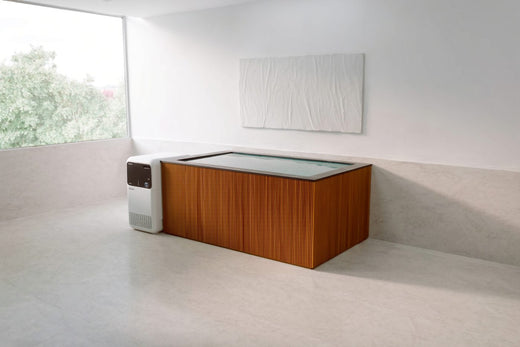
- Cold Plunges: Immersing your body in cold water, typically in a tub designed for this purpose. For instance, modern cold plunge tubs allow you to set temperatures as low as 41°F, making it an excellent choice for cold therapy enthusiasts.
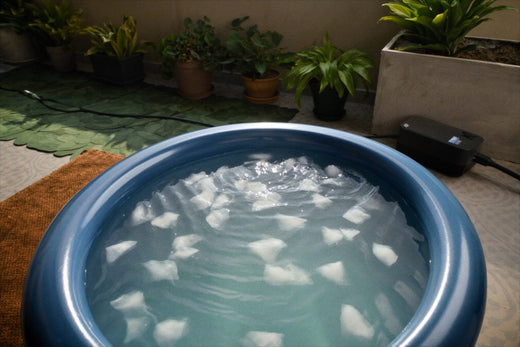
- Ice Baths: Filling a tub with cold water and adding ice. This method is common among athletes seeking quick recovery.
- Cold Showers: A more accessible option, simply adjusting your shower to a cold setting can provide immediate benefits.
- Cold Packs: Applying ice packs or gel packs to specific areas of the body, especially after injuries or strenuous workouts.
Best Practices for Safe Usage
To maximize the benefits of cold therapy while minimizing risks, follow these best practices:
- Start Gradually: If you're new to cold therapy, begin with shorter exposure times (2-3 minutes) and gradually increase as your body adapts.
- Maintain Awareness: Pay attention to how your body responds. If you feel excessively cold or experience pain, exit the cold environment immediately.
- Hydrate: Ensure you stay hydrated before and after your cold therapy session, as cold exposure can lead to dehydration.
- Warm Up After: After your cold therapy session, allow your body to return to a normal temperature gradually. Avoid jumping into a hot shower right away.
Frequency and Duration Recommendations
The frequency and duration of cold therapy sessions can vary based on individual goals:
- General Recovery: 2-3 sessions per week, with each session lasting between 5-10 minutes.
- Post-Workout: A session immediately after intense workouts can be beneficial. Aim for 10-15 minutes in a cold plunge or ice bath.
- Chronic Pain Management: Daily short sessions (3-5 minutes) may help reduce inflammation and manage pain over time.
Common Pitfalls and Safety Considerations
While cold therapy offers numerous benefits, it’s essential to be aware of potential pitfalls and safety considerations to ensure a safe experience:
Overexposure to Cold
Prolonged exposure to cold temperatures can lead to hypothermia or frostbite. To avoid this:
- Limit your exposure time according to your body’s tolerance.
- Use a thermometer to monitor water temperature, especially in cold plunges.
Recognizing Adverse Reactions
Be vigilant for signs of adverse reactions, which may include:
- Numbness or tingling in extremities
- Severe shivering
- Disorientation or confusion
If you experience any of these symptoms, exit the cold environment immediately and warm up gradually.
When to Consult a Healthcare Professional
Consult a healthcare professional before starting cold therapy if you have:
- Cardiovascular conditions
- Respiratory issues
- Diabetes or any condition affecting circulation
Your healthcare provider can offer personalized advice based on your medical history and specific needs.
Conclusion: Embracing Cold Therapy
Cold therapy is not just a trend; it’s a scientifically backed method that can enhance your wellness journey. By understanding its practical applications, recognizing potential pitfalls, and following safety guidelines, you can safely incorporate cold therapy into your routine. As more individuals explore the health benefits explained throughout this article, the future of cold therapy in wellness looks bright. Consider setting up a cold plunge routine or trying different methods to discover what works best for you. Embrace the chill and unlock the potential of cold therapy today!
Glossary
| Term | Meaning |
|---|---|
| Cold Therapy | Application of cold for therapeutic benefits. |
| Cryotherapy | Another term for cold therapy, often used in wellness. |
| Vasoconstriction | Narrowing of blood vessels to conserve heat. |
| DOMS | Delayed onset muscle soreness after intense exercise. |
| Thermogenesis | Process of heat production in the body. |
| Endorphins | Natural chemicals that improve mood and relieve pain. |
| Brown Fat | Type of fat that burns calories to generate heat. |
| Cold Plunge | Immersion in cold water for therapeutic effects. |
| Ice Bath | Cold water bath with added ice for recovery. |
| Hydration | Maintaining fluid balance, important before and after therapy. |
Linked Product

Chill Therapy CHILL1000 Cold Plunge Tub – Chills to 41°F, Heats to 104°F, Plug-In
The Chill Therapy CHILL1000 Cold Plunge Tub offers versatile temperature control, cooling down to 41°F for a refreshing cold plunge or heating up to 104°F for a relaxing warm soak, all without the need for ice. Its built-in ozone and Glacier antimicrobial filtration systems ensure cleaner water, while the locking hardtop cover keeps debris out and maintains temperature. Designed for ease of use, simply fill it, plug it in, and enjoy a rejuvenating experience at home.
View Product