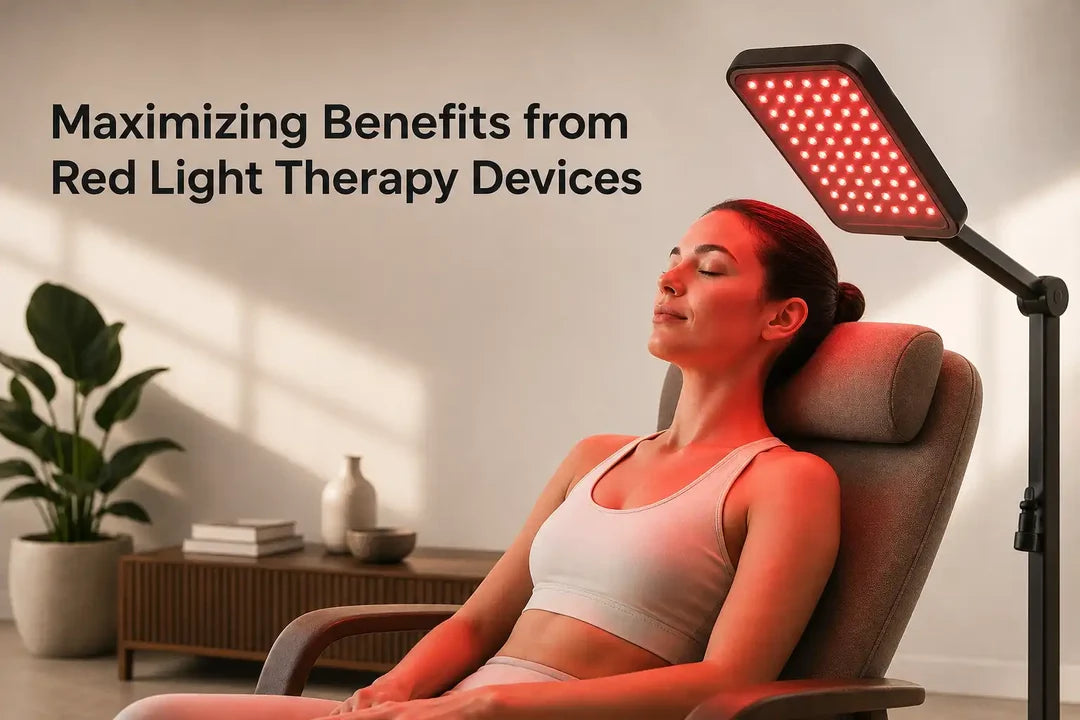
Maximizing Benefits from Red Light Therapy Devices
Overview
Red light therapy can significantly enhance your wellness routine by promoting healing and rejuvenation through specific wavelengths of light. To get the most out of this innovative treatment, understanding how to choose the right equipment and implement best practices is essential. By incorporating red light therapy effectively into your daily life, you can experience benefits such as improved skin health, reduced inflammation, and enhanced recovery.
Key Takeaways
- Red Light Therapy (RLT) utilizes specific wavelengths of light to enhance cellular function, promoting healing and reducing inflammation.
- Key Benefits: RLT can improve skin health, enhance muscle recovery, reduce joint pain, and contribute to better mood and sleep quality.
- Wavelength Importance: Effective RLT typically operates between 600nm to 850nm, with red light aiding skin health and near-infrared light benefiting deeper tissues.
- Device Selection: Choose RLT equipment that includes both red and near-infrared wavelengths, has a high LED count, and fits your lifestyle for optimal results.
- Session Guidelines: For best results, maintain a session length of 10-20 minutes, with frequency varying based on health goals (e.g., 2-5 times per week).
- Integration Tips: Incorporate RLT into daily routines by using it during morning rituals, pre-workout, or as a wind-down activity in the evening.
- Monitor Progress: Set personal health goals, track your sessions and results through journaling or apps, and adjust therapy practices as needed for continued improvement.
Enhancing your wellness routine with red light therapy (RLT) can be transformative. This innovative treatment utilizes specific wavelengths of light to promote healing and rejuvenation. In this article, we will explore the fundamentals of red light therapy, how to choose the right equipment, and actionable tips for maximizing its benefits.
Understanding Red Light Therapy
Red light therapy is a non-invasive treatment that employs low-level wavelengths of red and near-infrared light to stimulate cellular function, a process known as photobiomodulation. During this process, light energy is absorbed by cells, leading to various biological effects. By enhancing mitochondrial function, RLT improves energy production within cells, promoting healing and reducing inflammation.
Health Benefits of Red Light Therapy
Red light therapy is associated with numerous health benefits, including:
- Improved Skin Health: RLT can reduce wrinkles, acne, and scars by promoting collagen production and increasing blood circulation.
- Enhanced Muscle Recovery: Athletes often use RLT to accelerate recovery from workouts and injuries by reducing inflammation and pain.
- Reduced Joint Pain: Conditions such as arthritis can be alleviated through regular RLT sessions, offering a drug-free pain management option.
- Improved Mood and Sleep: The therapy may contribute to better sleep quality and mood stabilization, making it a holistic approach to wellness.
Importance of Wavelength in Therapy Effectiveness
The effectiveness of red light therapy largely depends on the wavelengths used. Typically, red light therapy equipment operates at wavelengths between 600nm to 850nm. Here’s a quick comparison:
| Wavelength | Type | Benefits |
|---|---|---|
| 600-650nm | Red Light | Boosts collagen production, enhances skin health. |
| 800-850nm | Near-Infrared Light | Penetrates deeper tissues, aiding muscle recovery and pain relief. |
Choosing equipment that offers both wavelengths can significantly enhance your therapy sessions and overall results.
Choosing the Right Red Light Therapy Equipment
When selecting red light therapy equipment for home use, several factors come into play. Understanding these can ensure you make an informed decision that aligns with your wellness goals.
Factors to Consider
Here are some key considerations when choosing red light therapy devices:
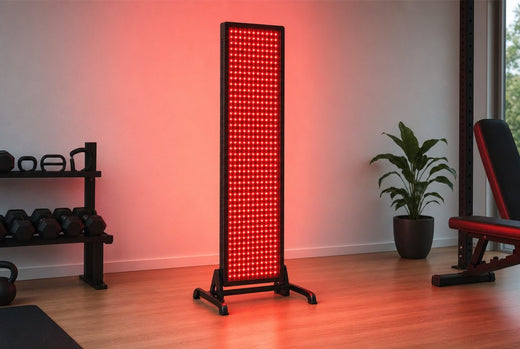
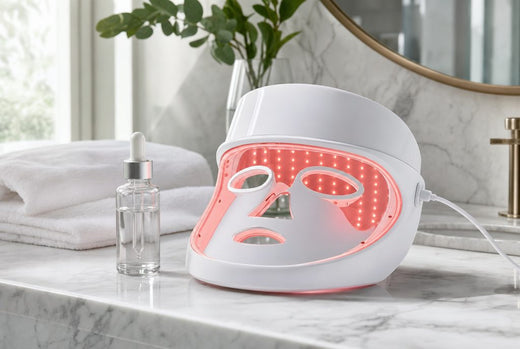
- Type of Device: Options range from handheld devices to full-body panels and blankets. Full-body devices can offer comprehensive treatment in a single session.
- LED Count: Higher LED counts generally mean more effective coverage and intensity. Devices with over 10,000 LEDs can provide dense coverage, beneficial for maximizing health from devices.
- Wavelengths: Ensure that the device includes both red and near-infrared wavelengths to target different layers of tissue effectively.
- Session Duration: Look for devices that allow you to complete sessions within a reasonable timeframe (10-15 minutes) to fit seamlessly into your daily routine.
Checklist for Evaluating Red Light Therapy Devices
Use this checklist to evaluate potential red light therapy equipment:
- Does the device offer both red and near-infrared wavelengths?
- What is the total LED count, and how is it distributed across wavelengths?
- Is the device designed for ease of use, allowing you to incorporate therapy into your daily life?
- What is the warranty and return policy offered by the manufacturer?
- Are there customer reviews or testimonials available to gauge effectiveness?
By considering these factors, you can select red light therapy equipment that meets your needs and enhances your home therapy effectiveness.
Effective Therapy Use: Best Practices
To truly benefit from your red light therapy equipment, understanding the best practices for effective therapy use is crucial. Here are some actionable tips to maximize your therapy sessions:
Recommended Duration and Frequency of Sessions
For optimal results, aim for sessions lasting between 10 to 20 minutes, based on your specific device and personal comfort. The frequency of your sessions can vary based on your health goals:
- General wellness: 2-3 times per week.
- Targeted pain relief: 3-5 times per week.
- Skin rejuvenation: 3-4 times per week.
Consistency is key. Try to maintain a regular schedule to allow your body to adapt and respond to the therapy effectively.
Optimal Distance from the Device During Use
Positioning yourself correctly in relation to the device can significantly impact the effectiveness of the therapy:
- For full-body devices: Maintain a distance of 6 to 12 inches for optimal light absorption.
- For targeted treatment: Place the device closer, around 3 to 6 inches, to concentrate the light on specific areas.
Ensure that the light is directed towards the area you wish to treat, as this enhances absorption and effectiveness.
Tips for Integrating Therapy into Daily Routines
Incorporating red light therapy into your daily life doesn’t have to be a chore. Here are some tips to seamlessly integrate it into your routine:
- Morning ritual: Use the therapy session as part of your morning routine, perhaps while reading or enjoying a cup of coffee.
- Pre-workout: Engage in a session before your workout to prepare your muscles and enhance performance.
- Wind down: Use it in the evening to help relax and prepare your body for a restful night’s sleep.
Creating a specific time for therapy each day can help form a habit, making it easier to stick with your regimen.
Maximizing Health from Devices: Techniques
To further enhance the effectiveness of your red light therapy sessions, consider these techniques that combine various aspects of wellness:
Combining Red Light Therapy with Other Wellness Practices
Integrating red light therapy with other wellness practices can amplify its benefits. Here are some effective combinations:
- Exercise: Engaging in light physical activity after your therapy session can improve circulation and enhance recovery.
- Stretching: Incorporating gentle stretching can help relieve tension in the muscles that have been treated.
- Mindfulness: Practicing mindfulness or meditation during your session can enhance relaxation and mental clarity.
Hydration and Nutrition's Role in Therapy Effectiveness
Staying hydrated and maintaining a balanced diet are essential for maximizing the benefits of red light therapy:
- Hydration: Drink plenty of water before and after your sessions to optimize cellular function and detoxification.
- Nutrition: Consume a diet rich in antioxidants, vitamins, and minerals to support your body’s natural healing processes.
Consider incorporating foods such as berries, leafy greens, and nuts, which can help enhance the efficacy of your therapy sessions.
Mindfulness and Relaxation Techniques During Sessions
Incorporating mindfulness and relaxation techniques during your therapy sessions can enhance the overall experience:
- Breathing exercises: Focus on deep, slow breathing to promote relaxation and reduce stress.
- Guided imagery: Visualize positive outcomes or peaceful scenes to enhance your mental state.
- Gratitude practice: Reflecting on things you are grateful for can shift your mindset and create a positive atmosphere.
These practices not only make your therapy sessions more enjoyable but also help your body to better absorb the therapeutic benefits.
Decision Rule for Combining Therapies Based on Individual Health Goals
When considering combining red light therapy with other wellness practices, it’s essential to align them with your specific health goals. Here’s a simple decision rule to guide you:
| Health Goal | Recommended Combination |
|---|---|
| Pain Relief | Combine with gentle stretching and hydration. |
| Skin Health | Integrate with a skincare routine and antioxidants. |
| Muscle Recovery | Pair with light exercise and hydration. |
This tailored approach ensures that you are not only using red light therapy effectively but also enhancing its benefits through complementary practices.
Home Therapy Effectiveness: Measuring Results
Measuring the effectiveness of your red light therapy sessions is crucial for maximizing health benefits from devices. By setting personal health goals and tracking your progress, you can fine-tune your therapy routine to better suit your needs.
Setting Personal Health Goals Related to Therapy
Start by defining clear, achievable health goals that you want to reach through red light therapy. These could range from improving skin health to enhancing recovery from workouts. Consider the following steps:
- Identify Specific Goals: Are you looking to reduce inflammation, improve muscle recovery, or enhance skin appearance? Be specific.
- Set Measurable Targets: Quantify your goals. For instance, aim for a certain reduction in pain levels or a specific improvement in skin texture over a set period.
- Time Frame: Establish a timeline for achieving your goals. This could be weekly, monthly, or seasonally depending on your objectives.
Methods for Tracking Progress
To effectively monitor your journey, consider using various tracking methods:
- Journaling: Keep a dedicated journal where you note down your therapy sessions, feelings, and any changes you observe. This can provide valuable insights over time.
- Apps: Utilize health tracking apps that allow you to log your sessions and related health metrics. Look for features that enable you to set reminders and goals.
- Visual Documentation: Take before-and-after photos, especially for skin-related goals, to visually track changes over time.
When to Adjust Therapy Practices Based on Results
Regularly assess your progress and be open to adjusting your therapy practices based on your findings. Here’s how to know when it’s time to make changes:
- No Significant Improvement: If you’ve been consistent with your sessions and haven’t observed any progress after a reasonable period, consider reevaluating your approach.
- Plateauing Results: If you notice that your improvements have stalled, it might be beneficial to increase the frequency or duration of your sessions.
- Feedback from Your Body: Pay attention to how your body responds. If you experience discomfort or fatigue, it may indicate that you need to adjust your session length or frequency.
To assist in tracking your progress, consider using the following template for a therapy progress journal:
| Date | Duration of Session | Device Used | Physical Condition Before | Physical Condition After | Notes |
|---|---|---|---|---|---|
| MM/DD/YYYY | XX minutes | Device Name | Condition Description | Condition Description | Any additional observations |
Common Pitfalls to Avoid
While using red light therapy, it's essential to be aware of common mistakes that can hinder therapy effectiveness. Here are some pitfalls to avoid:
Overuse or Underuse of Devices
Finding the right balance in usage is crucial. Overusing red light therapy can lead to diminishing returns, while underusing it may not yield the desired benefits. Adhere to recommended session lengths and frequency to optimize results.
Ignoring Safety Guidelines and Device Instructions
Each red light therapy device comes with specific guidelines that are essential for safe and effective use. Always:
- Read the manufacturer's instructions carefully.
- Follow recommended distances from the device during use.
- Be mindful of the duration of each session to avoid potential skin irritation.
Neglecting to Maintain Equipment Properly
Proper maintenance of your red light therapy equipment is vital for its longevity and performance. Avoid these common mistakes:
- Regular Cleaning: Keep your device clean to ensure optimal light output.
- Storage: Store the device in a safe place to prevent damage.
- Periodic Checks: Regularly check for any damage or malfunctions, and address issues immediately.
By following these guidelines and avoiding common pitfalls, you can enhance your home therapy effectiveness and fully maximize the benefits of your red light therapy sessions. Your health journey is unique, and with careful tracking and adjustments, you can achieve your wellness goals.
Glossary
| Term | Meaning |
|---|---|
| Red Light Therapy (RLT) | A non-invasive treatment using specific light wavelengths for healing. |
| Photobiomodulation | The process by which light energy stimulates cellular function. |
| Wavelength | The specific distance between light waves, affecting therapy effectiveness. |
| LED Count | The number of LEDs in a device, influencing coverage and intensity. |
| Session Duration | The length of time for each therapy session, typically 10-20 minutes. |
| Hydration | Drinking water to optimize cellular function and therapy effects. |
| Mindfulness | A practice during sessions to enhance relaxation and mental clarity. |
| Tracking Progress | Monitoring therapy effectiveness through journaling or apps. |
| Common Pitfalls | Mistakes to avoid for effective red light therapy use. |
| Recovery | The process of healing and returning to normal function after injury. |
Linked Product

Red Light Pro Devices Full Body Red Light Therapy Blanket with 13,536 LEDs
The Red Light Pro Devices Full Body Red Light Therapy Blanket features 13,536 LEDs, providing comprehensive neck-to-toe coverage for effective red light therapy sessions. Designed for convenience, it allows for full-body treatments in just 10 to 15 minutes, making it easy to incorporate into your daily routine. With both red and near-infrared LEDs, this blanket supports various wellness goals while ensuring professional-grade benefits at home.
View Product